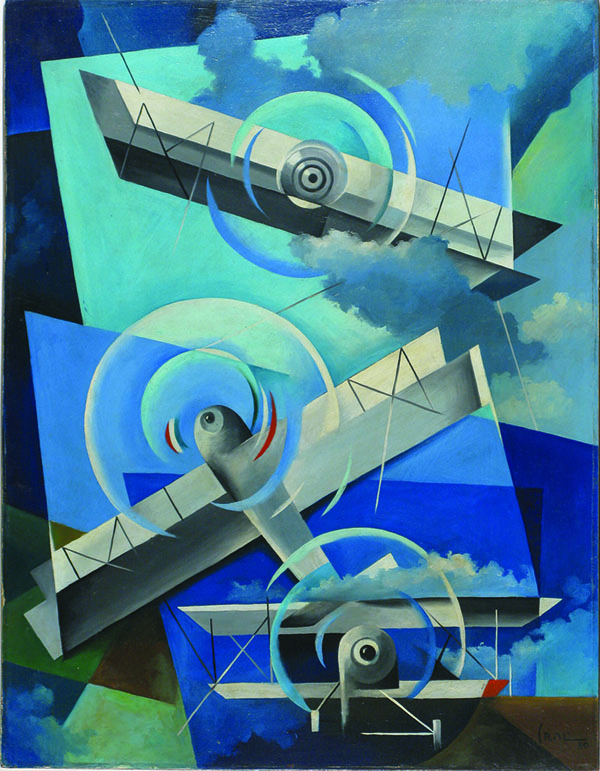
Cover image: Evoluzioni aeree ascensionali by Tullio Crali
Tullio Crali was born on December 6, 1910, in Igalo, Montenegro. An ethnic Italian, Crali was heavily influenced by the futurist movement that had become prominent in fascist Italy. Many of his works focus on aerial compositions, emphasizing the dynamism and motion of airplanes in flight.

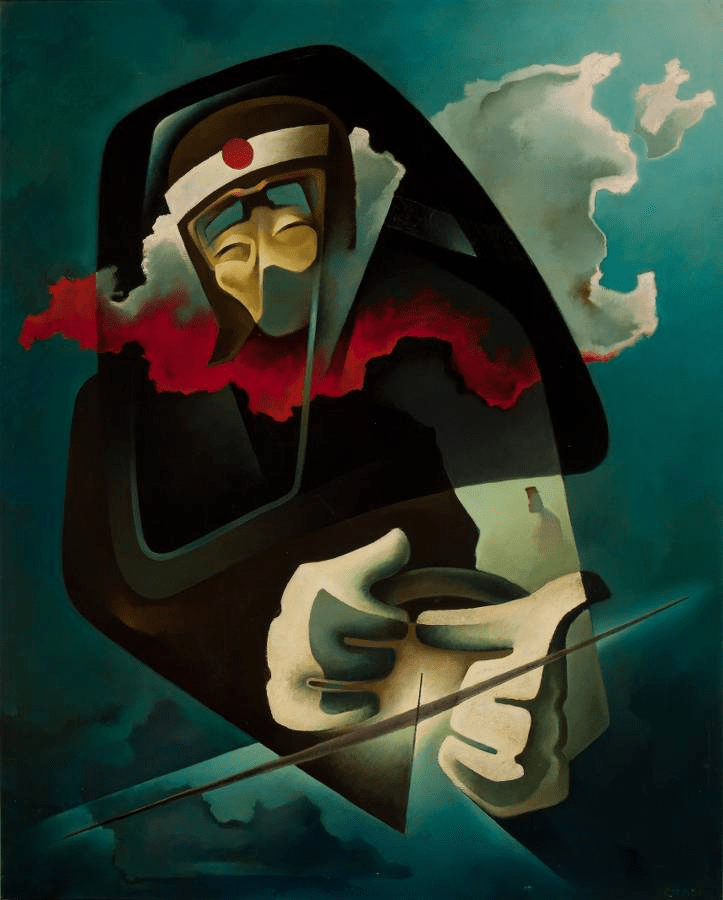
Crali’s decision to paint from the viewpoint of a pilot came from his admiration and adoration of flying planes, something he would do for much of his life. Although he started painting before then, Crali would come in contact with Marinetti and the futurist movement in 1929, forever influencing his style. Entranced by the motion and energy that was expressed by the futurist style, Crali would become a member of the movement.
Even after Futurism’s popular decline following the death of Marinetti in 1944 and the toppling of Fascist Italy, Crali would remain an adherent to the movement’s aesthetic and style.
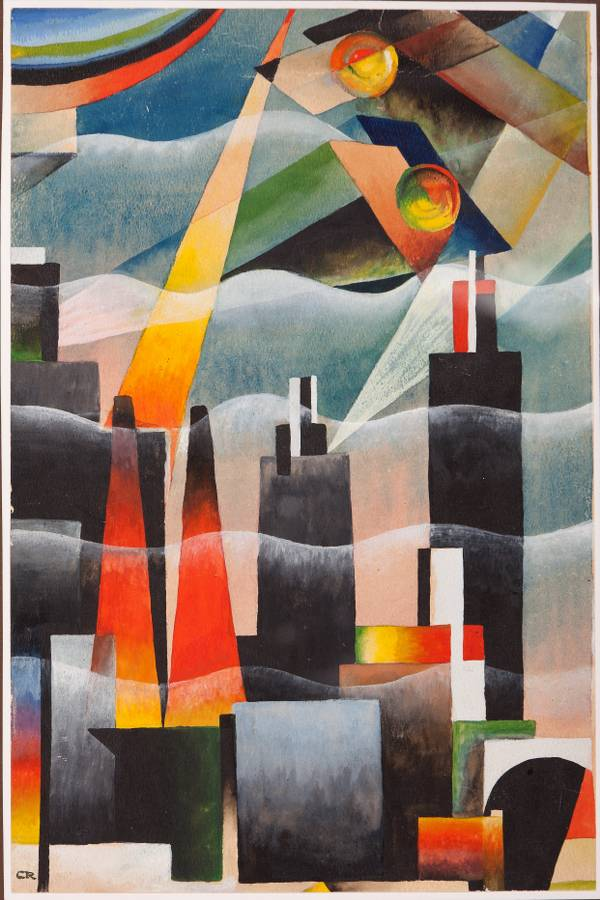
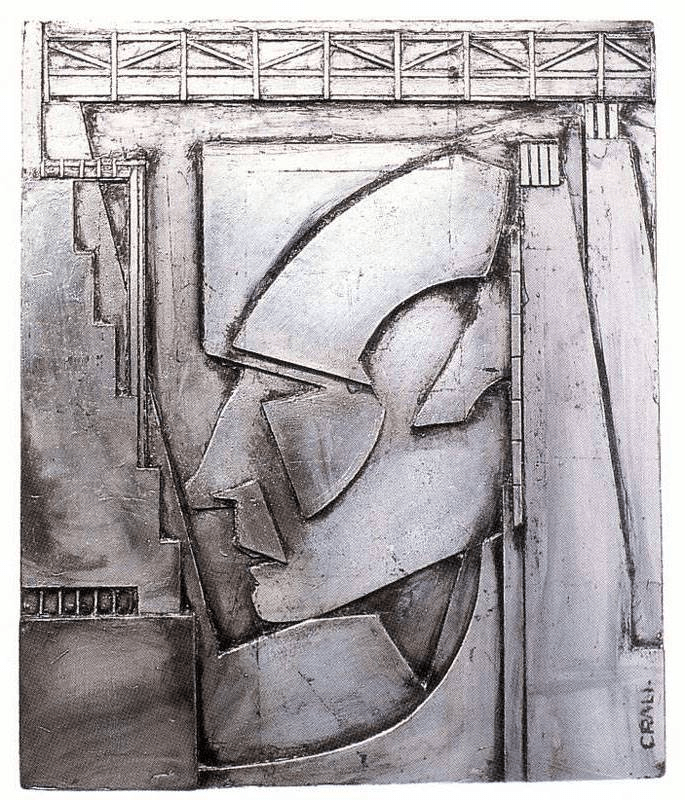
Personally, Crali is one of my favorite artists (political implications aside). The art he creates exudes energy and motion. His works are a joy to look at and digest, and in my opinion are compositionally cleaner than many other futurist painters. A include below a few of his works that I find especially notable and best encompass his oeuvre.



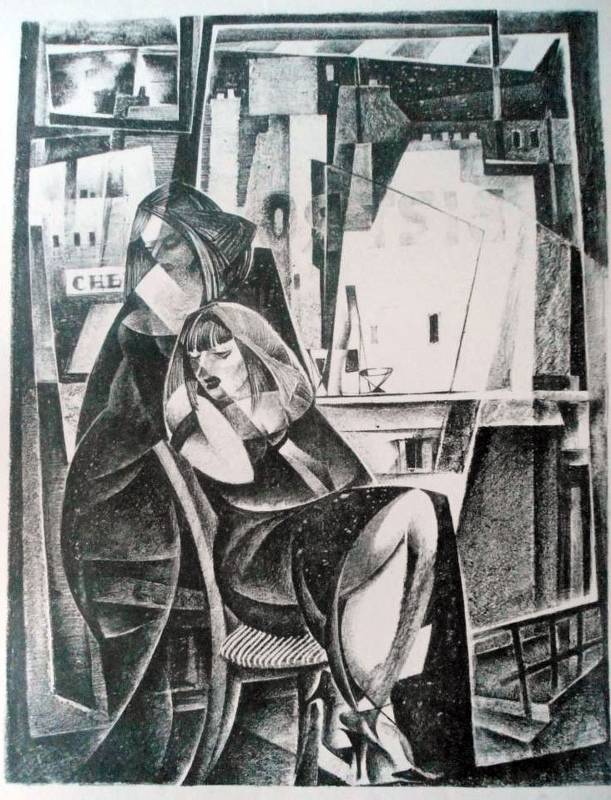


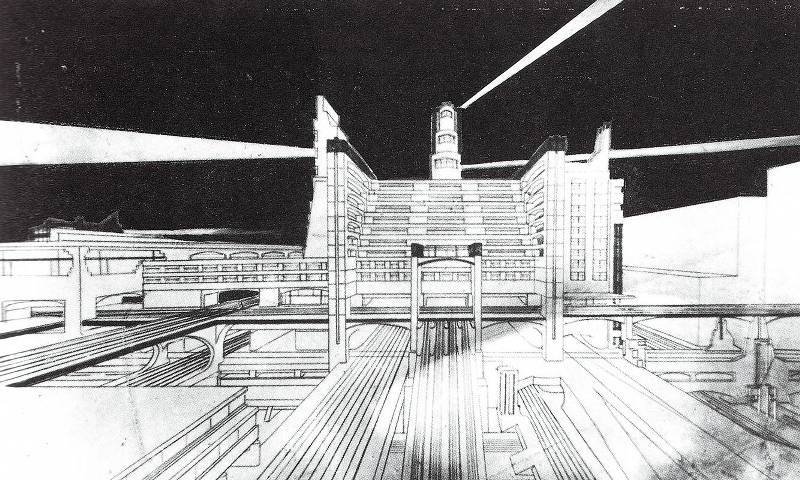
Ultimately, the European mania prominent at the turn of the 20th century was spurred by extreme ideological thought. The old systems were crumbling, and people scrambled to find a new formula for the advanced civilizations of tomorrow. Futurism was one such proposed formula. Although Futurism would not go on to dominate the world for posterity as some had hoped, it has no doubt left a lasting legacy and aesthetic impact.
Crali’s futurist depictions of man’s new-age electric cities and aluminum hawks reflect his radical and revolutionary spirit. They contradictorily, however, simultaneously reflect a reactionary, strongly nationalist spirit. It is this contradiction—and the resulting synthesis of a right-revolutionary spirit—that makes Crali’s and all the futurists’ art so fascinating, and is why their works are worth being remembered.
To see more of Tullio Crali’s works, you can visit this website.
 Neglected Canvases
Leave a comment